How to Store Seafood Properly
Preserve the freshness of fish and shellfish with these simple tips from FreshAIG.com for storing seafood.
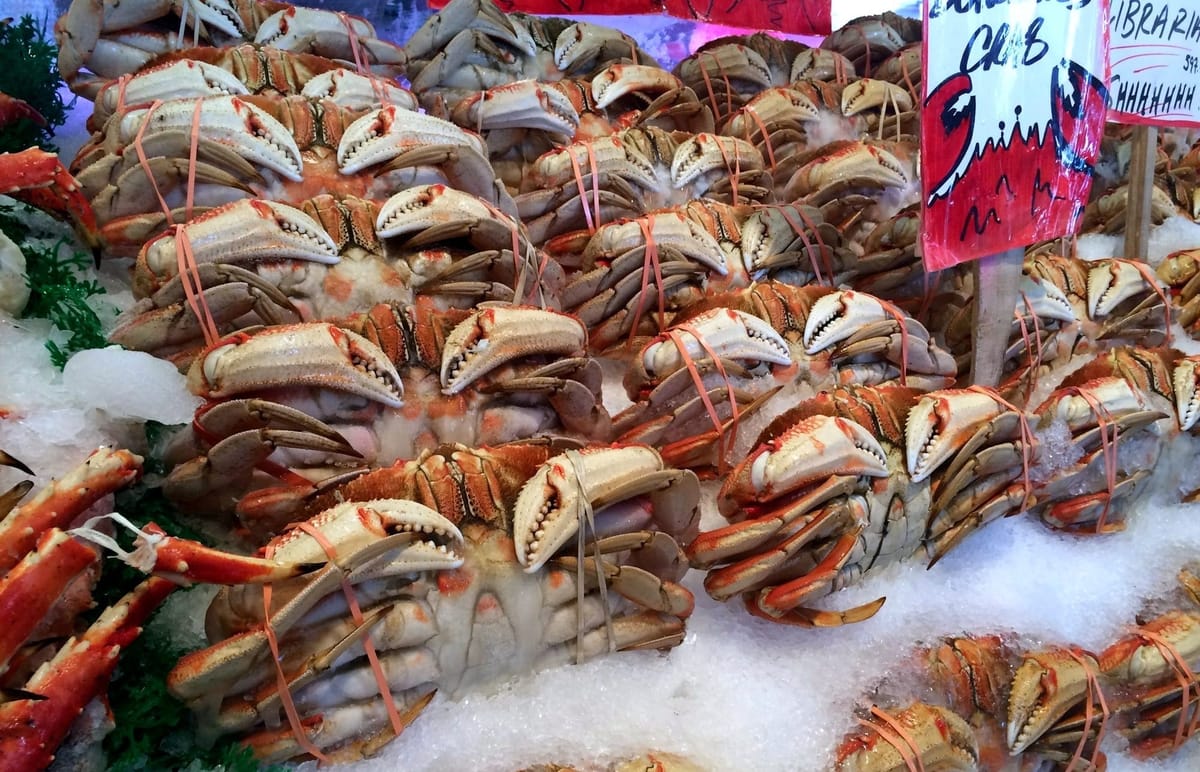
Seafood is great any day of the week, offering delicious flavors and wholesome nutrition. But to experience great tasting seafood, freshness must be maintained, so proper storage is crucial. Whether you're experimenting with new recipes or preparing sustainable options, understanding how to store seafood can make dinners a lot more enjoyable.
Seafood is delicate and its flavor can change significantly when not stored properly. It's recommended that fresh seafood be prepared the day it's bought, but storing correctly can extend its shelf life a bit. Here are some tips from FreshAIG.com for keeping your seafood fresh.
Seafood Storage Tips
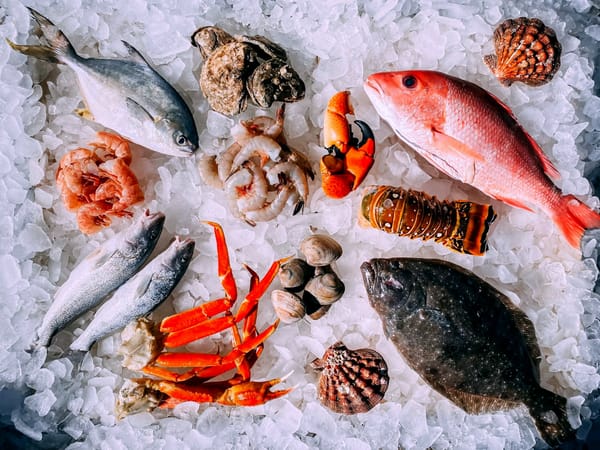
1. Keep It Cool: The key to maintaining seafood freshness is temperature control, around 35°F. Ideally, store seafood on ice, ensuring it doesn't directly touch the fish. This method mimics the conditions of a fish market, preserving the seafood's quality until you're ready to cook.
2. Refrigeration Tips: Store seafood in the coldest part of your refrigerator, away from the door to avoid temperature fluctuations. Keep it in its original wrapping or parchment paper to prevent exposure to air, which can dry it out and degrade its quality. If whole, fish should be gutted, gills removed, and cleaned before storing.
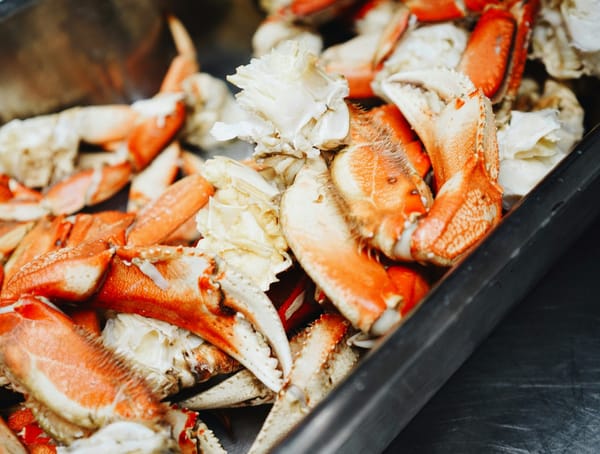
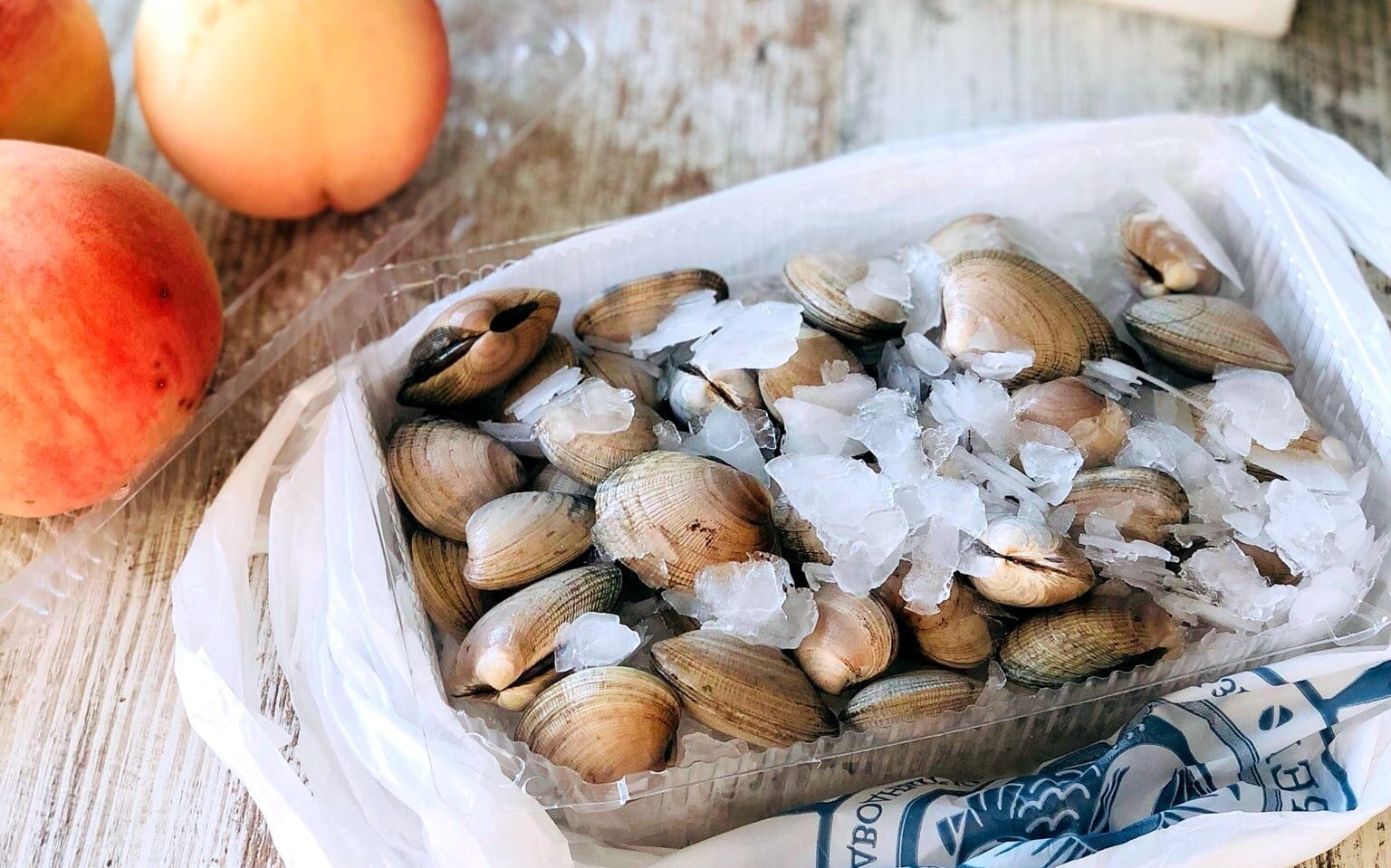
3. Shellfish Storage: Place bivalves like clams, oysters, mussels, and scallops in an open top dish or bowl and cover them with a moist paper towel or damp cloth. Oysters and clams should be stacked in their containers with rounded sides down and flatter sides facing up so their liquid doesn't seep out. Live crustaceans such as crabs and lobsters should be kept chilled similarly before cooking, rather than submersed in water. This keeps them hydrated and fresh. Remember to drain any accumulated liquid they may release if stored for more than a few days.
4. Check for Freshness: Regularly check for signs of spoilage. If bivalves have opened and do not close when they are tapped, it's best to discard them. Keeping the towels moist is essential to maintain their freshness.
Freezing
If you're freezing fish, wrap them in parchment paper then over wrap with plastic. Plan on eating them within a few weeks as they can lose moisture and become susceptible to freezer burn. Lobsters should have heads and tails separated and individually wrapped. If fish and shellfish such as shrimp are thawed from frozen, never refreeze them, and never freeze bivalves. Prior to preparation, thaw frozen seafood in the refrigerator for a few hours or overnight.
Take Home
Seafood is a special event when it's fresh. Proper storage not only keeps its fresh flavor, but preserves the value of your seafood. By following these storage tips, you can enjoy the full experience fresh seafood has to offer.
For more insights and to explore a wide range of seafood options, visit FreshAIG.com. Embrace the adventure of preparing fresh seafood and share your experiences with #FreshAIG. Let's keep the conversation going and make every seafood meal a memorable one!