Navigating Seafood Safety After the Potomac Spill
Chesapeake Bay seafood is safe after the Potomac River sewage spill in January of 2026. Here we explain how strict commercial closures protect your plate, and the steps you can take to verify seafood is fresh and safe at your local retailer.
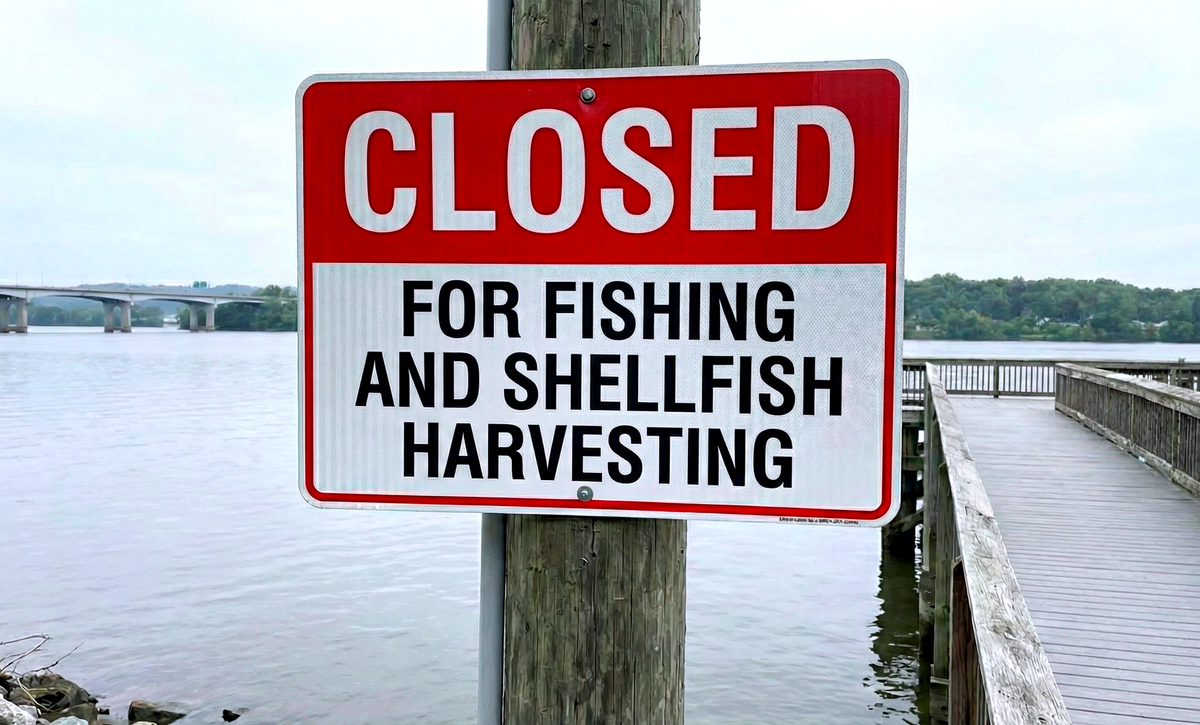
The January 19, 2026, Potomac Interceptor collapse introduced an estimated 240 to 300 million gallons of raw sewage into the Potomac River, creating immediate logistical hurdles for the regional seafood supply chain [1]. While the Maryland Department of the Environment (MDE) swiftly closed commercial shellfish harvesting waters from Charles County down to the Route 301 Bridge to isolate the risk [2], the broader Chesapeake Bay supply network remains fully operational and highly regulated.
Understanding how to navigate this disruption is critical to ensuring the seafood you bring home remains safe, high-quality, and responsibly sourced.
What This Means for Your Table
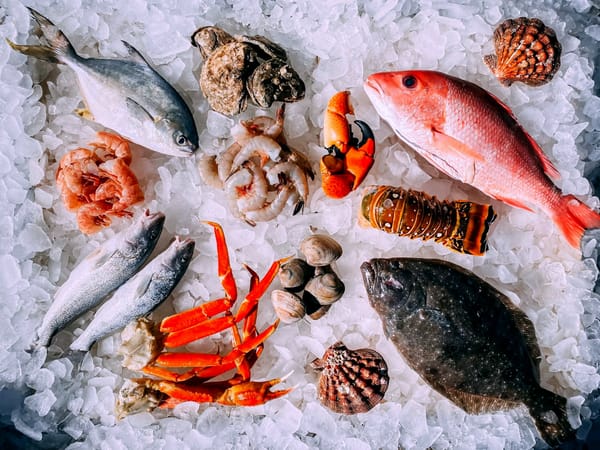
- If you're seeking the freshest premium seafood you'll be glad to know that while the localized Potomac catch is temporarily constrained, this does not mean you have to compromise. You can still rely on seafood merchants who source directly from approved Chesapeake Bay waters.
- The spill is a clear ecological setback for environmental stewardship. However, the strict regulatory response highlights the supply chain integrity of domestically produced U.S. seafood. The National Shellfish Sanitation Program ensures that pure, unadulterated food is strictly separated from contaminated zones [3]. Fresh seafood from regional watermen provide highly traceable, tagged shellfish. With these tags, seafood suppliers and retailers can provide you with transparent supply chain information that supports local economies and coastal communities.
- Rest assured that domestically sourced U.S. seafood remains the most highly regulated, so you can rely on its safety, consistency, and nutritional health benefits. The immediate emergency closures implemented by the state safeguard against compromised commercial catch illegally entering the market. Your food safety is protected by rigorous state oversight, ensuring that the seafood you trust remains as reliable as before.
How to Verify Seafood Safety
When shopping for seafood, take these steps to ensure safety and value:
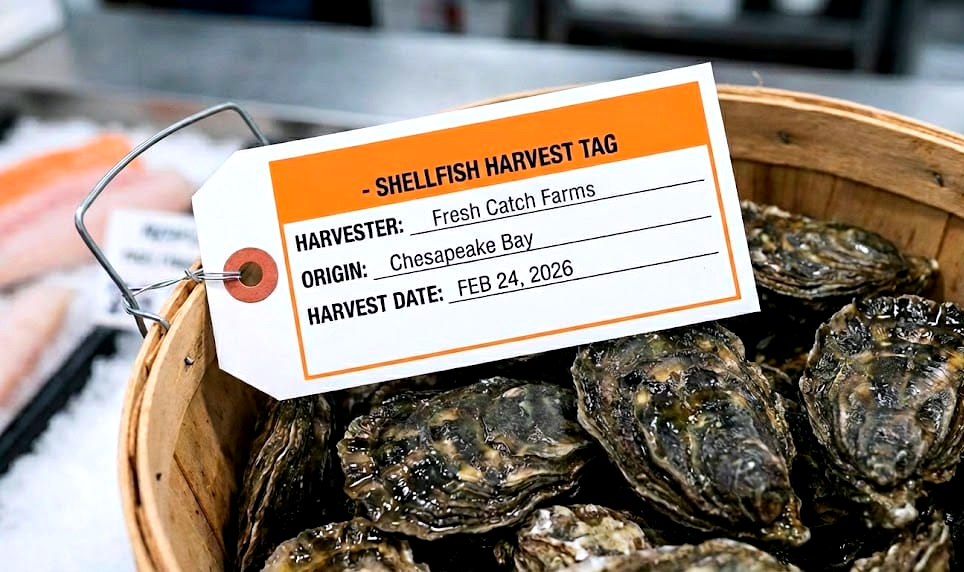
- Demand Traceability: Under federal and state regulations, every bushel of commercially harvested oysters and shellfish must carry a physical harvest tag detailing the exact date and location of the catch [3]. Ask your merchant to see this tag to verify that the product was approved from uncontaminated waters. Asking everyone about seafood origin, from your meat counter attendant, to your local fishmonger, and especially your restaurant chef, is a good policy regardless of a recent incident.
- Rely on Source-Direct Specialists: Dedicated merchants, that sell seafood direct-to-consumers, possess the specialized sourcing knowledge for your safety and peace of mind. Licensed fish markets, seafood farmers, and fishermen are the direct line that ensures a higher standard of safety and quality compared to retailers with massive and opaque international supply chains.
- Avoid Unverified Catches: For this incident, local health departments across Maryland, Virginia, and Washington, D.C., have advised against consuming any recreational catch pulled from the advisory zones (from the Clara Barton Parkway down to the Route 301 Bridge)[4]. Stick strictly to verified commercial suppliers and licensed retailers until the waters are cleared by local government agencies.
Sources & References
- DC Water:Potomac Interceptor Collapse Updates and Water Quality Data
- Maryland Department of the Environment (MDE):Precautionary Shellfish Harvesting Closure and SSO Response
- Maryland Department of Natural Resources / WBOC:Chesapeake Bay oysters remain safe following Potomac River sewage spill
- Virginia Department of Health (VDH):Recreational Water Advisory for the Potomac River