Where to Find the Freshest Seafood
From the dock to your doorstep, find out where to get the freshest seafood as we weigh out the pros and cons of fish markets, supermarkets, and other retail outlets.
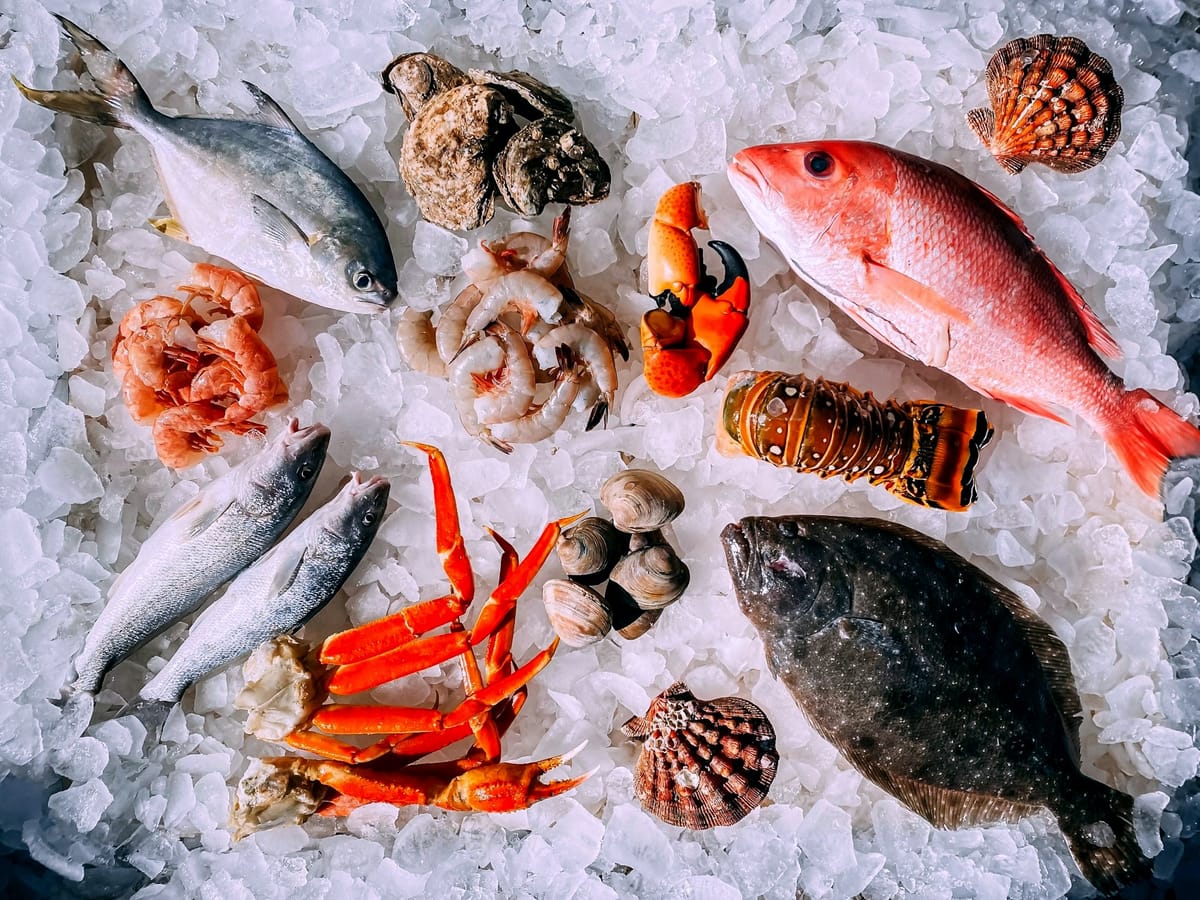
Are you a seafood enthusiast who prefers the freshest catch? Are you a home cook who values the convenience of shopping local? Do you appreciate food that is responsibly sourced? Then let's dive into the best places to buy fresh seafood and weigh the pros and cons of each with FreshAIG.com, your guide for finding the freshest and most sustainable seafood, no matter where you are.
1. Direct-to-Consumer
In coastal states, the freshest seafood comes directly from the ocean. Fishermen sell their catch right from the dock, at farmers markets, and even at scheduled pick-up locations. For those who prefer a more personal touch, seafood farmers offer fresh products harvested for pick-up and tours of their farms. Occasionally, you might even find roadside stands offering a local merchant's fresh catch.
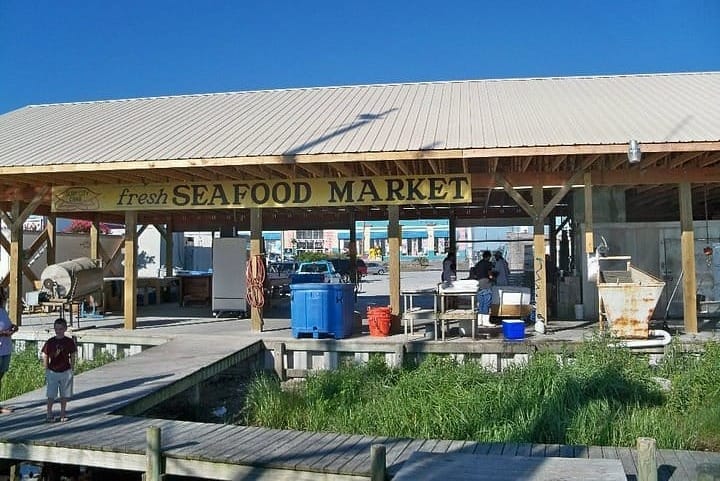
From the Dock - If you're lucky enough to live near the coast, the freshest seafood can be found at a dock or marina. Often, the seafood was caught the same day and for full transparency you can talk to the fishermen that caught it. This ensures your purchase goes directly to the source, sustaining small scale, typically family owned and operated fishing businesses. The dock also enables access to less common species, not found in grocery stores, at a great value since there are no middlemen driving the cost up from an over-complicated and nontransparent supply chain.
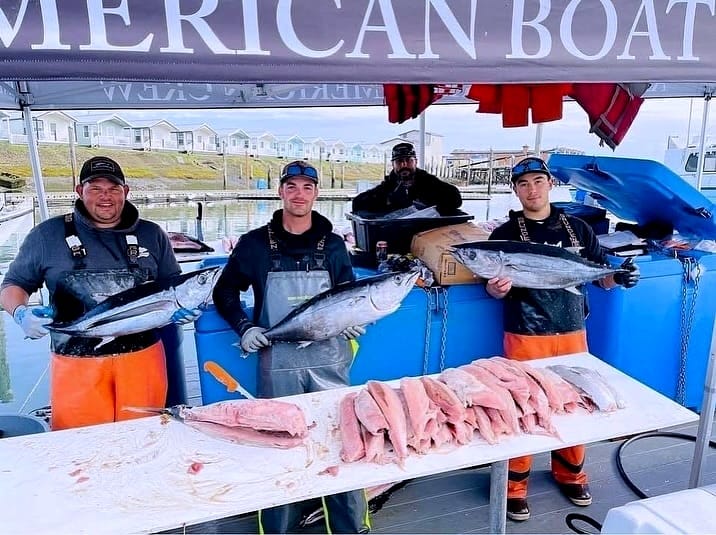
Keep in mind, fishing is seasonal and availability can vary with the weather. Also, fishermen may not always accept cards or digital payment, and you get what's caught instead of your go-to seafood species. Depending on the fishing outfit, you may need to bring your own coolers, ice, and be prepared to clean whatever you bought yourself. Traditionally, consumers would have to know when fishing boats arrive and be there at the right time, but with FreshAIG.com, accessing fresh catch when it lands at a dock is made easy.
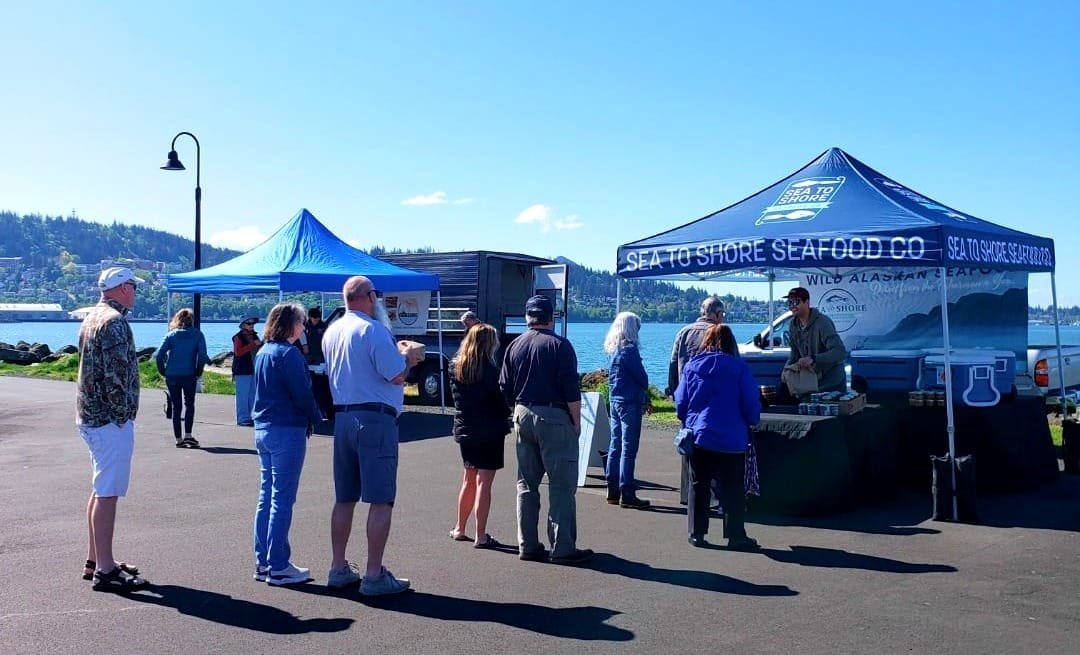
Farmers Markets - on regularly scheduled days-of-the-week, fresh seafood is sold by merchants that have direct ties to fishermen. Usually, there is plenty of variety with seafood vendors selling alongside produce and other sustainable goods in a setting that fosters community relationships. Even though they are open only one or two days-a-week and merchants carry a relatively smaller selection, the consumer benefits of traceability, eco-friendliness, and shopping local, adds to the value of fresh seafood sold at farmers markets.
Community Supported Fishery (CSF) Pick Ups - involve allotments of seafood for purchase before it's caught, and picked up by the consumer on a weekly or monthly basis. Traditionally, CSFs were managed by fishermen, but the CSF model has been adopted by all types of seafood merchants. CSFs operating closer to the source of production guarantee access to regular shares of their seafood, usually sourced directly from fishermen, often within a couple days of landing.
Some things to consider are that you receive what's caught, with limited selections for fish and shellfish, and CSF subscription payments are collected prior to the fishing season or prepaid per month. You must also pick up your share of relatively smaller seafood portions at specific times and places, and you may have to learn how to cook lesser-known seafood. Although these may seem like limitations, CSFs typically offer the most sustainable seafood available, processed into product forms like fillets and steaks, at convenient pick-up locations and scheduled times.
Seafood Farms - in the U.S. are primarily coastal shellfish producers that grow clams and oysters using the most sustainable methods in agriculture. Less frequently found are shrimp and fin-fish farms selling to consumers. But the ones that do, often harvest the same day so products are fresher than you would find in stores. Although most farms are located in rural or coastal waterfronts requiring pre-orders and pick-up planning, product quality is very consistent and production methods are readily provided when you visit.
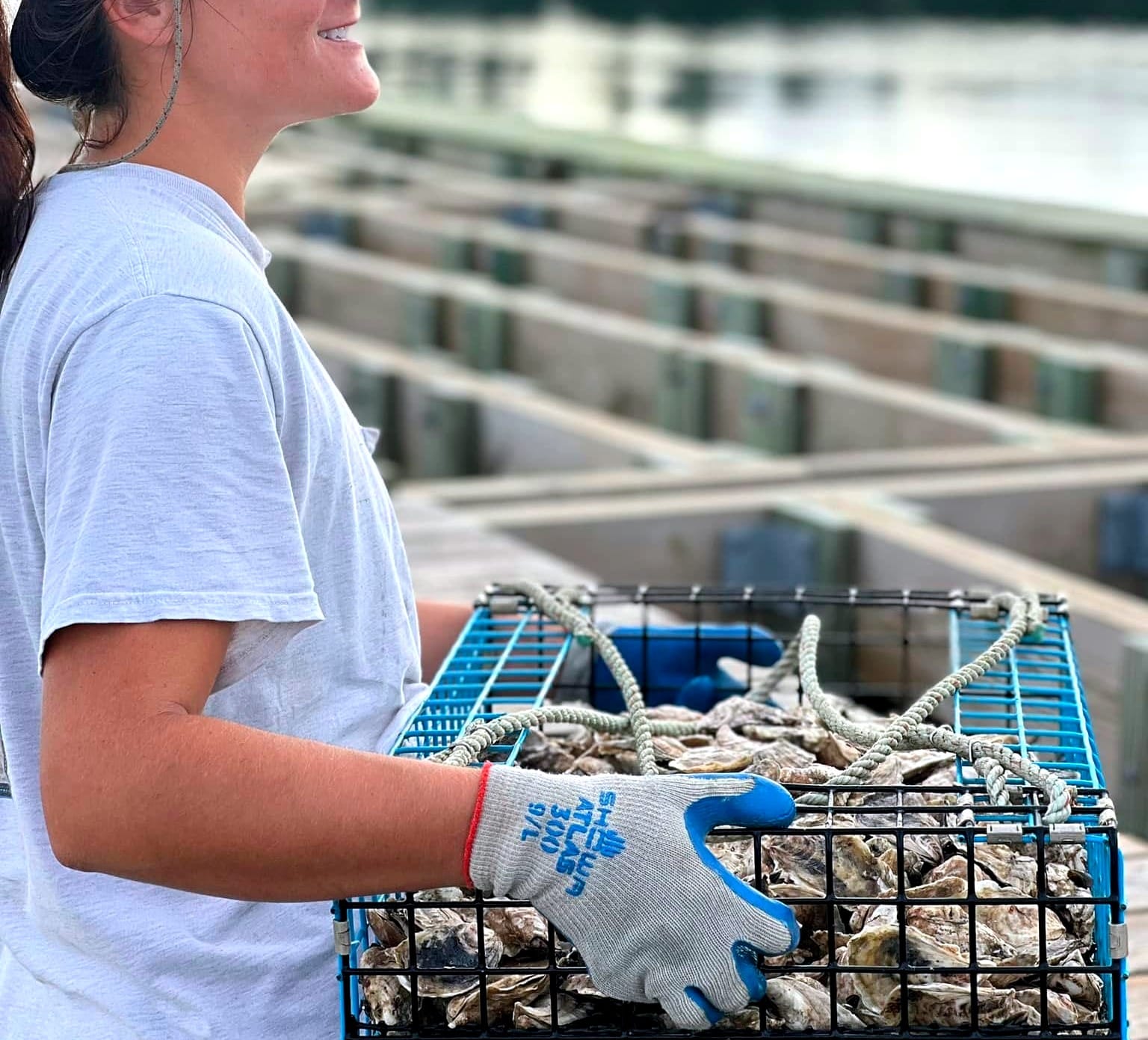
Keep in mind that species variety is limited since farmers sell what they grow. They may have minimum orders of live shellfish or whole seafood, and seasonal business hours. Although buying from a farm is definitely not one-stop shopping, fresh harvested seafood from farmers is often cheaper for the same premium product that middle-men further down-stream in the supply chain would otherwise mark up.
2. Retail Outlets
For those living inland, the best fish markets provide a wide variety of fresh seafood, including local and regional options. Grocers and warehouse stores, offer a large selection of fresh seafood, most of which was previously frozen and thawed before sale. All of these merchants offer fresh seafood, but with different varieties, sourcing, and amounts, depending on their location and the type of retailer.
Local Fish Markets - receive seafood daily from local docks and regional seafood distributors. They typically have the broadest range of seafood handled and processed by in-house staff, called 'fishmongers', with greater expertise since their focus is seafood. Fishmongers cut fish upon request and their advice is usually more reliable when it comes to handling, cooking, and pretty much all things related to seafood preparation.
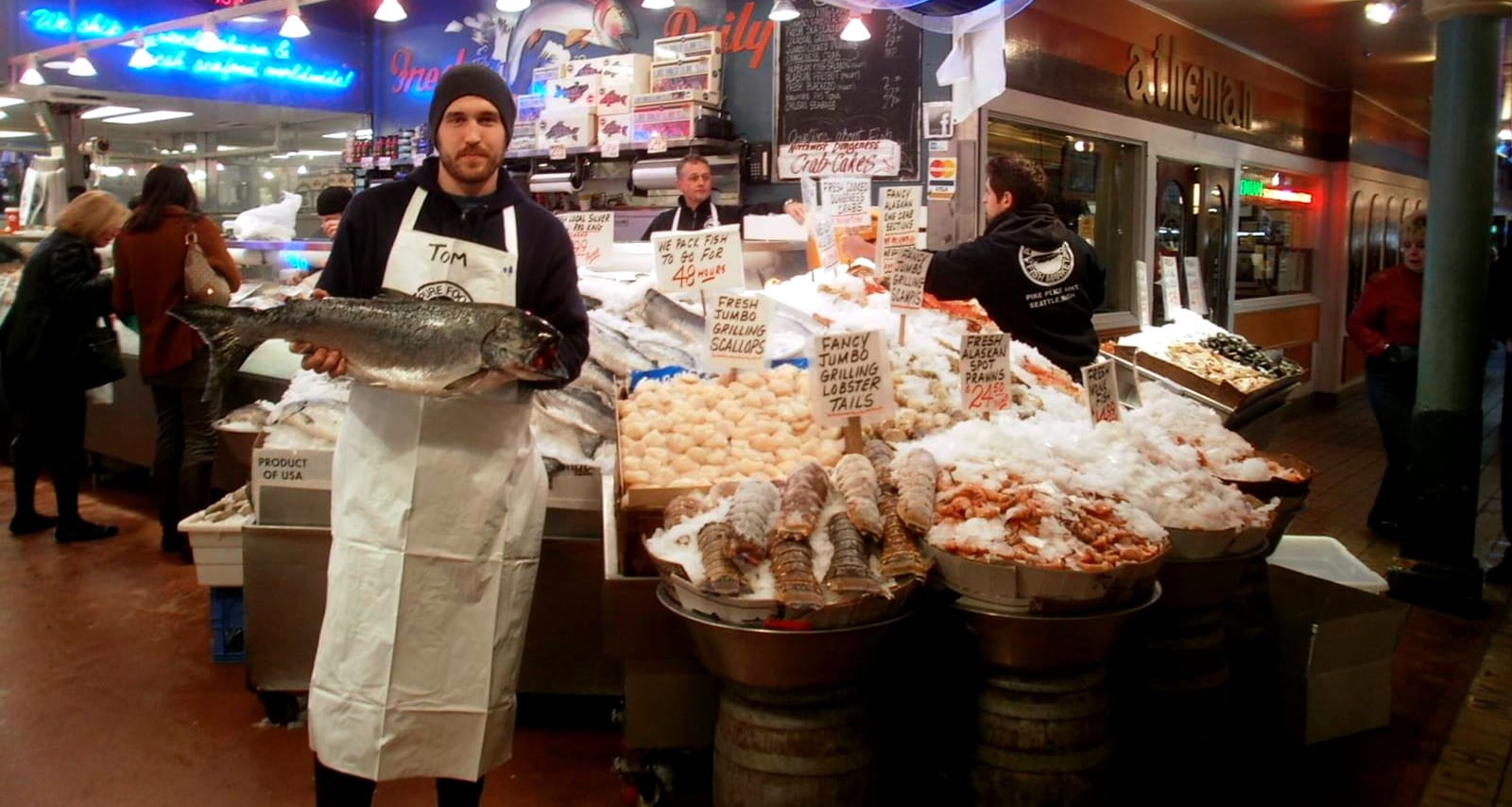
You may find higher prices depending on the particular market's sourcing and labor costs. As family run businesses, they may also have earlier closing hours and limited days of operation. But in general, they provide higher product quality and expertise, disclosing origin and catch methods more readily. It's worth mentioning that seafood markets keep more money in local economies, a win-win for communities that rely on them for their seafood.
Grocery Stores - where most seafood is purchased, are located everywhere with consistent selections of commonly eaten seafood. With their scale and proliferation, supermarkets can offer products at moderate pricing. They often provide previously frozen and thawed "fresh" seafood due to their efficient supply chains and standardized handling procedures. Although they have corporate policies and protocols for food safety, product labels are typically vague about harvest location, date, sustainability, and supermarket staff lack the expertise of fishmongers since they receive and handle all sorts of meat from national distributors.
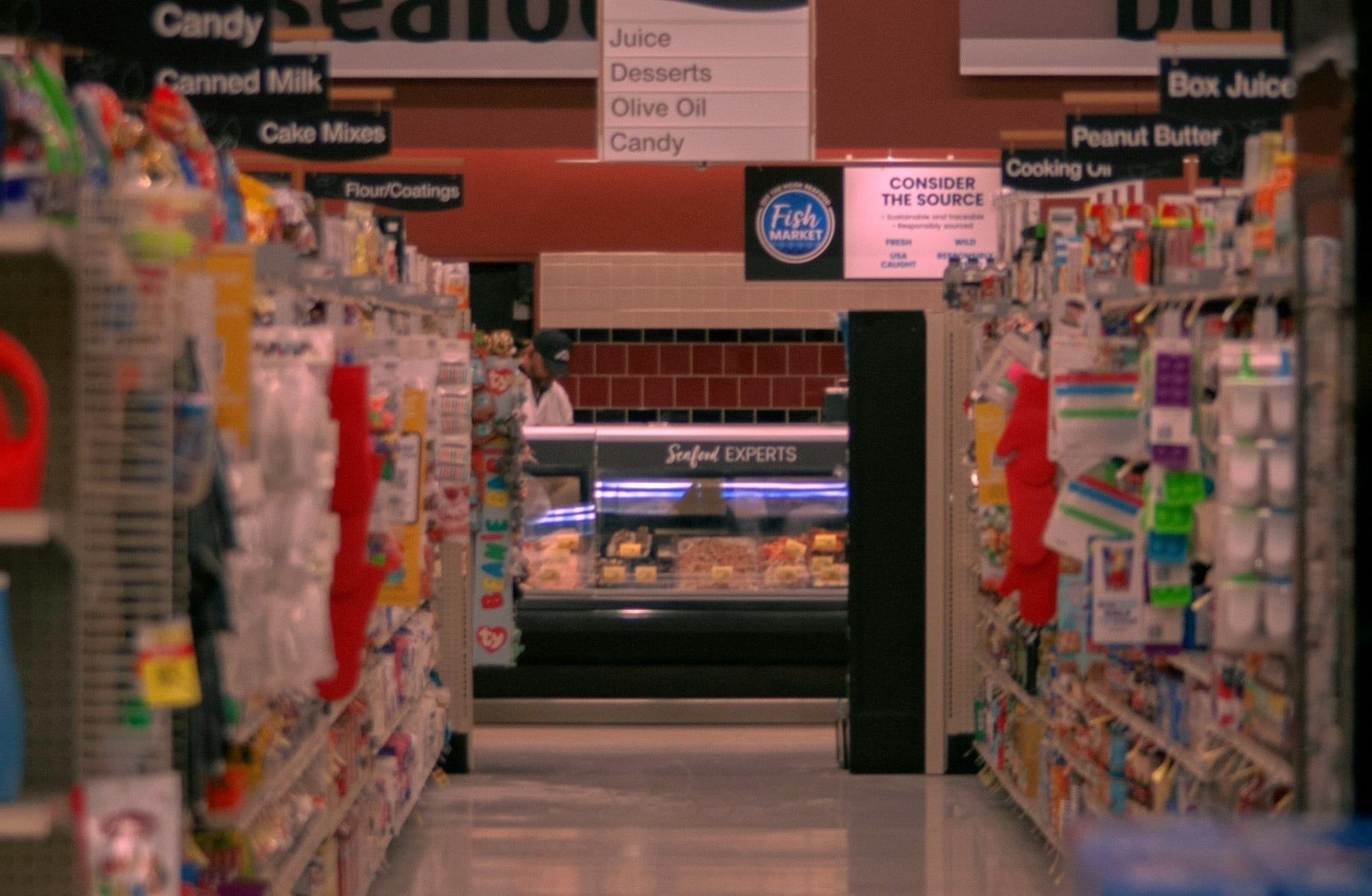
Quality can vary at supermarkets and grocery stores, depending on individual store practices and distributor quality. Fish can sometimes be older, with less species and product variety, including a lack of whole fish options. Unlike fish markets, less locally caught seafood is sold at grocers, and uncommon species with less market demand and lower fishery pressure are rarely sold at supermarkets.
Warehouse Stores - provide consistent seafood for purchasing large volumes or bulk shopping. The high turnover of previously frozen "fresh" seafood can result in fresher items that are appropriate for stocking up, events, and large families. Most of the seafood comes from national supply chains, so they offer the more common high demand species rather than specialty seafood items from local fishermen, like fish markets. Although they are thought of as the lowest cost per pound retailers, visits will cost more since only larger portions are sold there.
3. Online Delivery
Since the pandemic, many seafood dealers have adapted by shipping frozen seafood at a premium price, delivered to consumers' door steps.
Seafood Box Retailers - many source seafood from fisheries with rigorous quality standards. Boxes are shipped with pre-portioned seafood on dry ice, that is flash-frozen and delivered to your door on a predictable schedule or as a one-time order. Many of them emphasize sustainability and in-depth supply chain transparency not typical of grocery stores.
Inland and rural areas, where seafood markets aren't available, can access specialty items that stay frozen for months in freezers. However, the cost of shipping, packaging, and premium sourcing of seafood boxes adds up to be significantly higher per pound than at direct-to-consumer and retail outlets. Even though it is marketed as 'fresh-quality' and freezing technology maintains a high degree of freshness, it is frozen fish that some consumers do not prefer for the difference in flavor and texture of pre-frozen seafood.
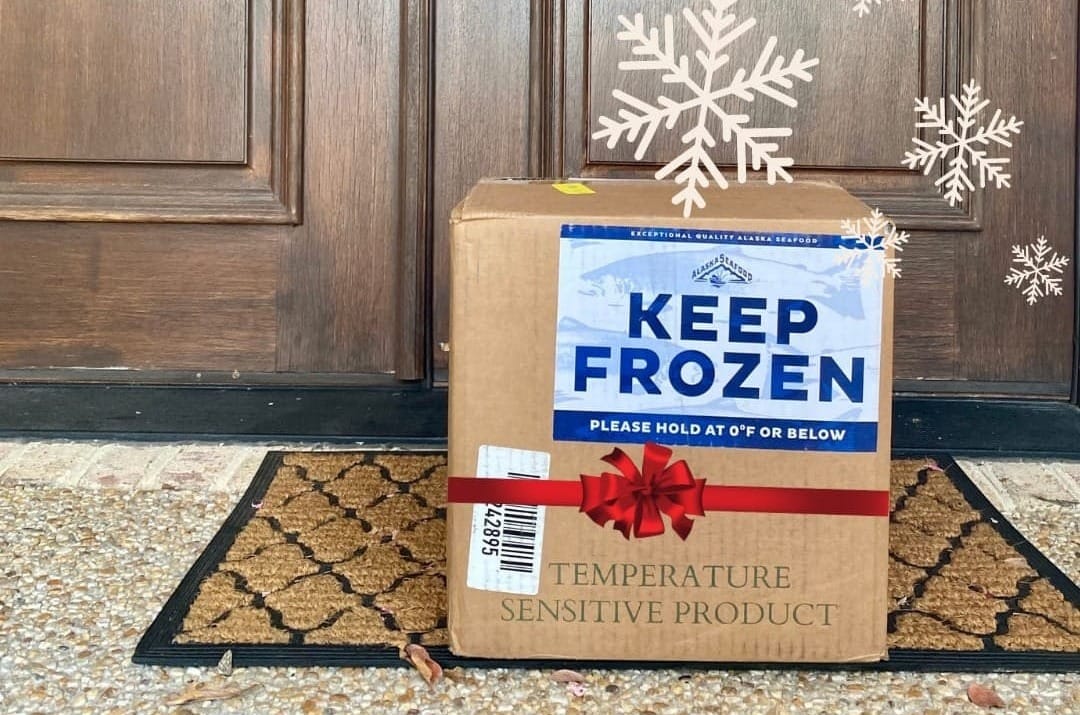
Online seafood retailers dictate the kinds of seafood, portions, and frequency of orders. But not every recipe and household size is suited for their minimum order limits, like multiple pounds of pre-cut fillets that require freezer space you might not have. It's also harder to buy whole fish or customized cuts, like you can at fish markets.
Some online companies ship seafood with recyclable shipping materials. But, many still use collapsible coolers, plastics, and insulated liners that are inconvenient to dispose of and create significantly more waste than buying local. Another common problem stems from shipping delays, resulting in thawed or spoiled product, melted packaging, and handling issues that if managed properly, still require someone to be at home to retrieve the delivered box quickly before the contents thaw out.
Take Home
Although there are more shopping options today than ever before, there is still no substitute for the freshness of seafood from direct-to-consumer merchants and local fish markets. Although product transparency is good for many seafood box companies and the proliferation of grocers is convenient, they are a step removed from the local food system and the value that it adds. Local fish markets, CSFs, and farmers markets are mostly family run businesses that engage directly with their customers, providing seafood sourced with shorter supply chains and service expertise established over years of harvesting, handling, and dealing exclusively with seafood.
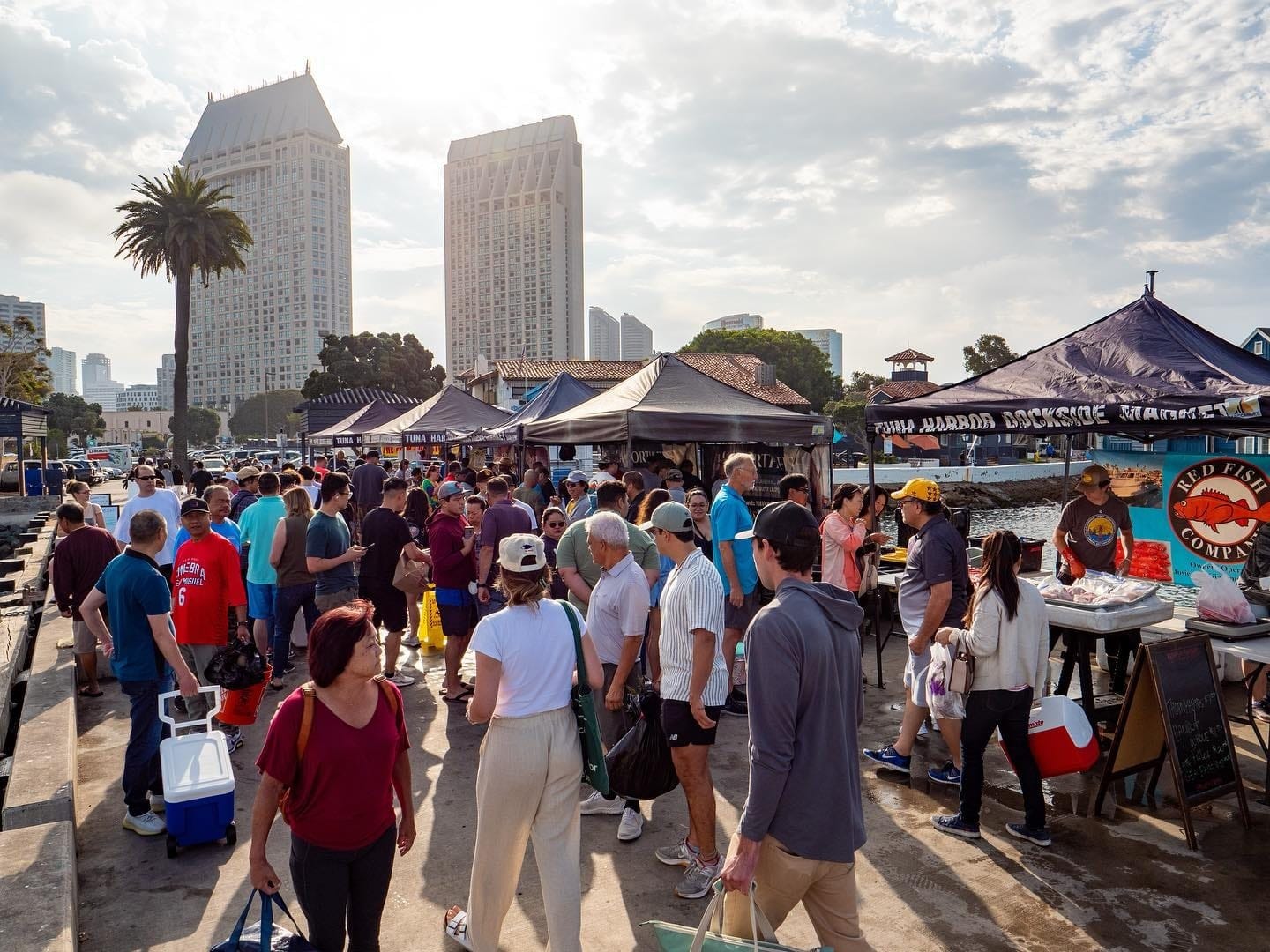
The connection that local merchants establish with their customers and the value they provide strengthens communities and improves local economies. FreshAIG helps consumers locate fresh and sustainable seafood from local merchants. So whether you're looking for the best fish market near you, access to fresh catch at a dock, or local seafood at farmers markets, FreshAIG helps you find the freshest seafood nearby.
When you shop with local seafood merchants, you're not just buying seafood; you're making a conscious choice in support of your community and sustainable practices. Share your seafood experiences with #FreshAIG on social media and find the best seafood online at FreshAIG.com today to explore fresh, local seafood in your area. Most importantly, enjoy fresh seafood with the ones you care about.