The Right Way to Fillet Fish at Home: Mastering Round and Flat Fish
Fillet fish the right way with FreshAIG.com! Learn simple step-by-step techniques for filleting both round fish and flat fish at home. Maximize freshness, reduce waste, and elevate your culinary skills with our easy-to-follow guide.
FreshAIG Quick Facts
- The Benefit: Filleting your own fish maximizes freshness, reduces food waste, and saves money.
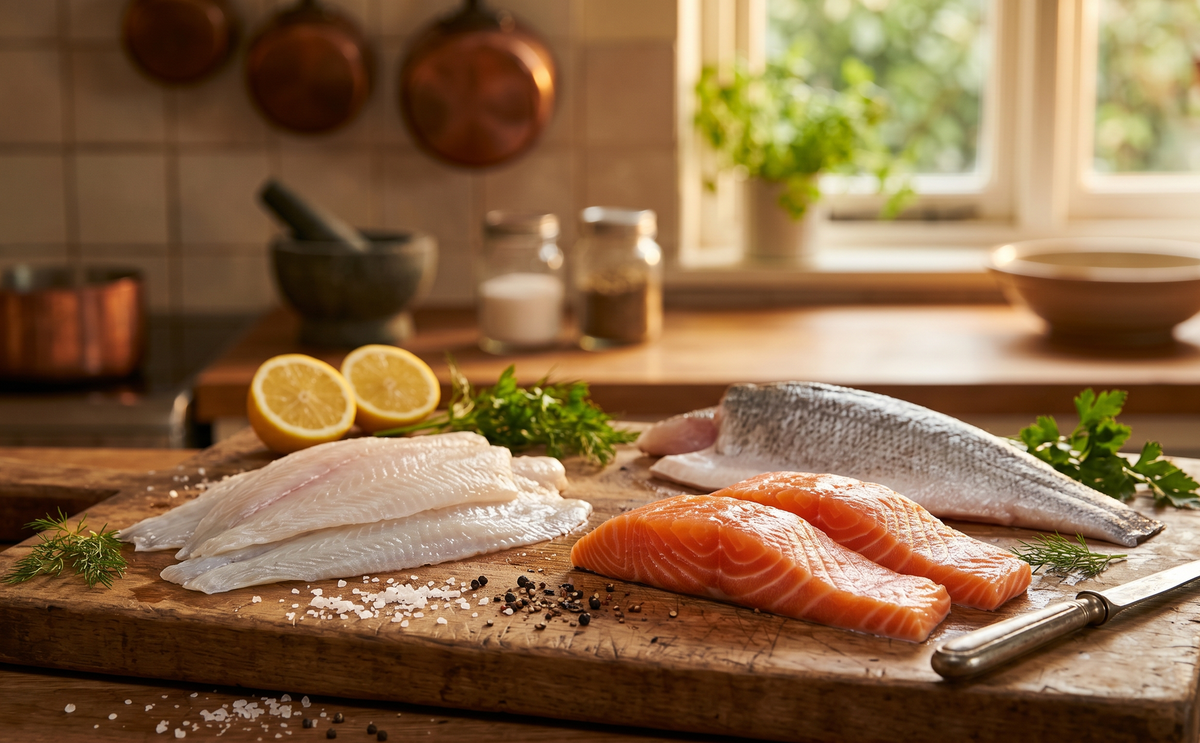
- Round Fish: Examples include salmon, bass, and trout. They yield two large fillets. The technique relies on cutting behind the gills and slicing parallel to the backbone.
- Flat Fish: Examples include flounder and halibut. They yield four smaller fillets. The technique involves scoring down the center lateral line and working outward.
- Tools Required: A sharp, flexible fillet knife, a sturdy cutting board, and fish bone tweezers.
Why Fillet Your Own Fish? For Fresher Seafood
Whether you are looking to expand your kitchen repertoire, striving for less-waste while cooking, or one who appreciates the timeless art of preparing family meals from scratch, filleting your own whole fish is a game-changer.
Buying whole fish offers unbeatable value—it is significantly cheaper per pound than pre-cut fillets. Furthermore, it ensures freshness for better texture and flavor; due to less processing, not to mention the eyes and gills tell the true story of a catch's quality. By bringing a whole fish into your kitchen, you maintain the profound wholesomeness and health benefits of fresh fish, ensuring your family receives pure, unprocessed lean protein. Plus, utilizing the leftover bones and head for a rich seafood stock honors the entire animal.
Let's dive into the right techniques for fish filleting at home.
Essential Tools for the Perfect Cut
Before making your first cut, gather your gear. You don't need a restaurant kitchen toolkit, just the right essentials:
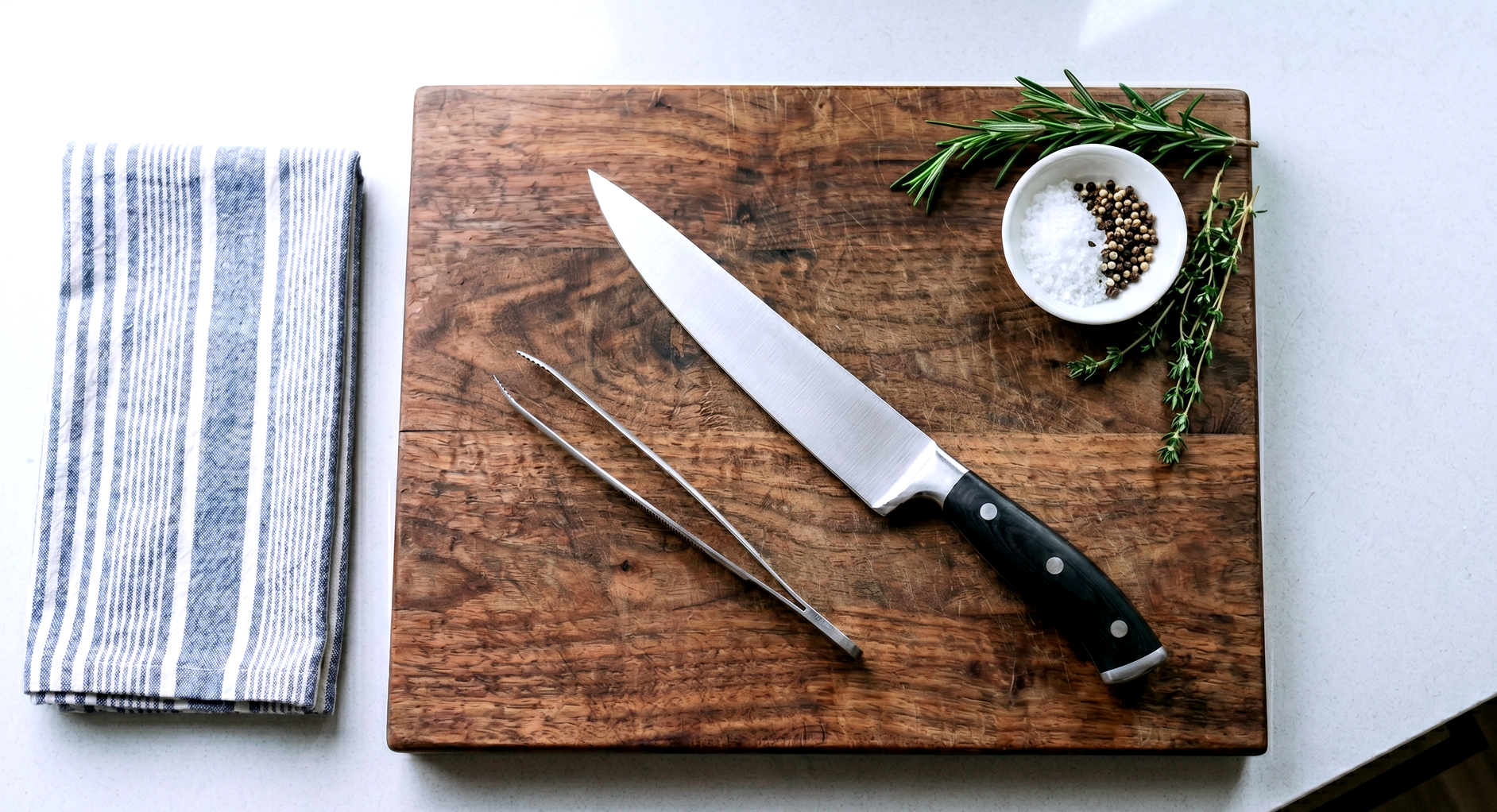
- A Flexible Fillet Knife: A 6-to-8-inch blade with a slight flex allows you to glide over the rib bones without cutting through them.
- A Clean, Damp Towel: Place this under your cutting board to prevent slipping.
- Fish Bone Tweezers: Essential for plucking out pesky pin bones, ensuring a safe and pleasant dining experience.
How to Fillet a Round Fish (Salmon, Trout, Bass)
Round fish swim upright and have a single dorsal fin along their back. They have a backbone running down the center, yielding two large fillets.
Step 1: The Collar Cut
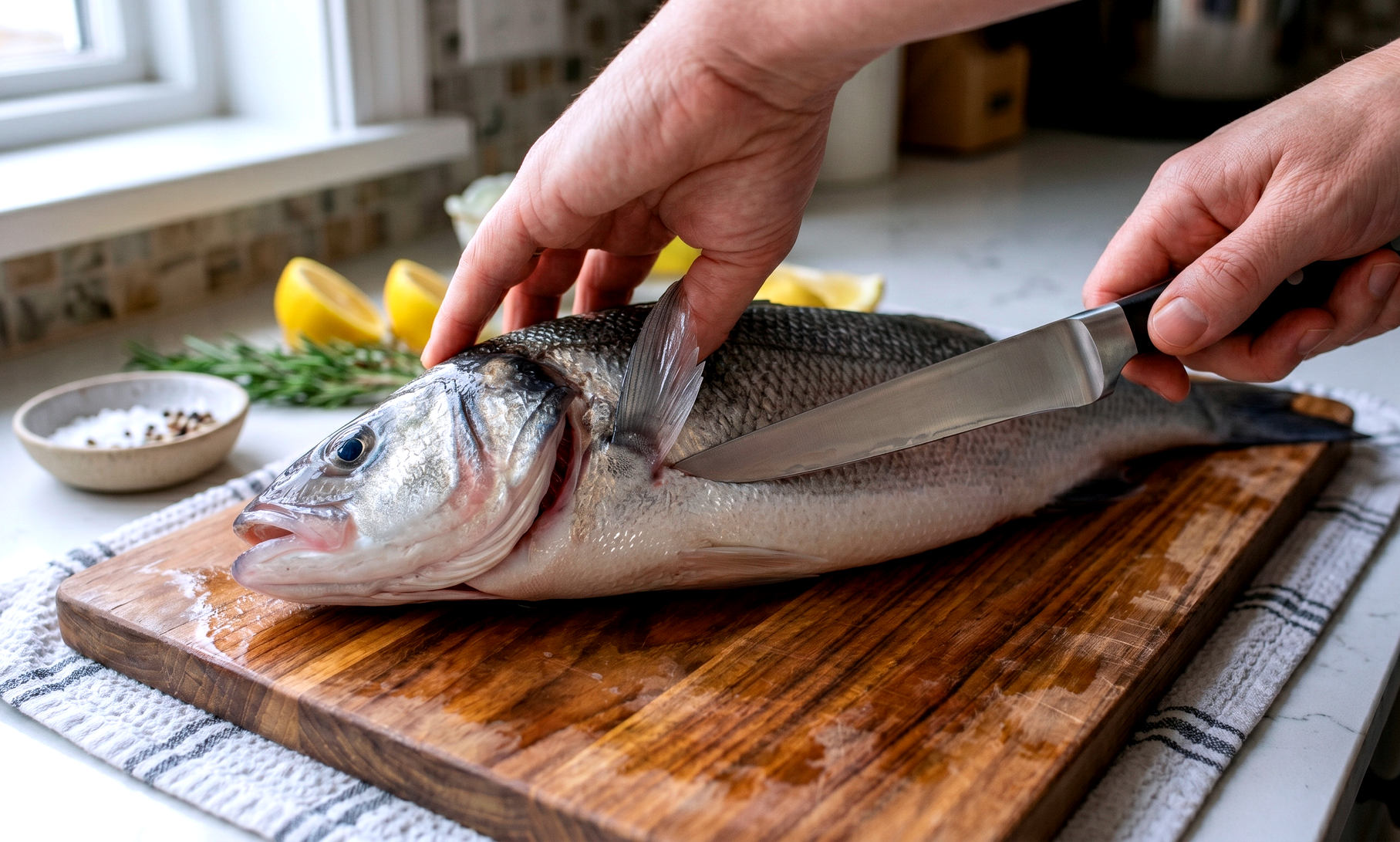
Lay the fish flat on the board. Lift the pectoral fin (the one near the gills) and make a diagonal cut right behind the gills and collarbone, slicing down until you feel the resistance of the spine. Do not cut through the spine!
Step 2: Gliding Along the Backbone
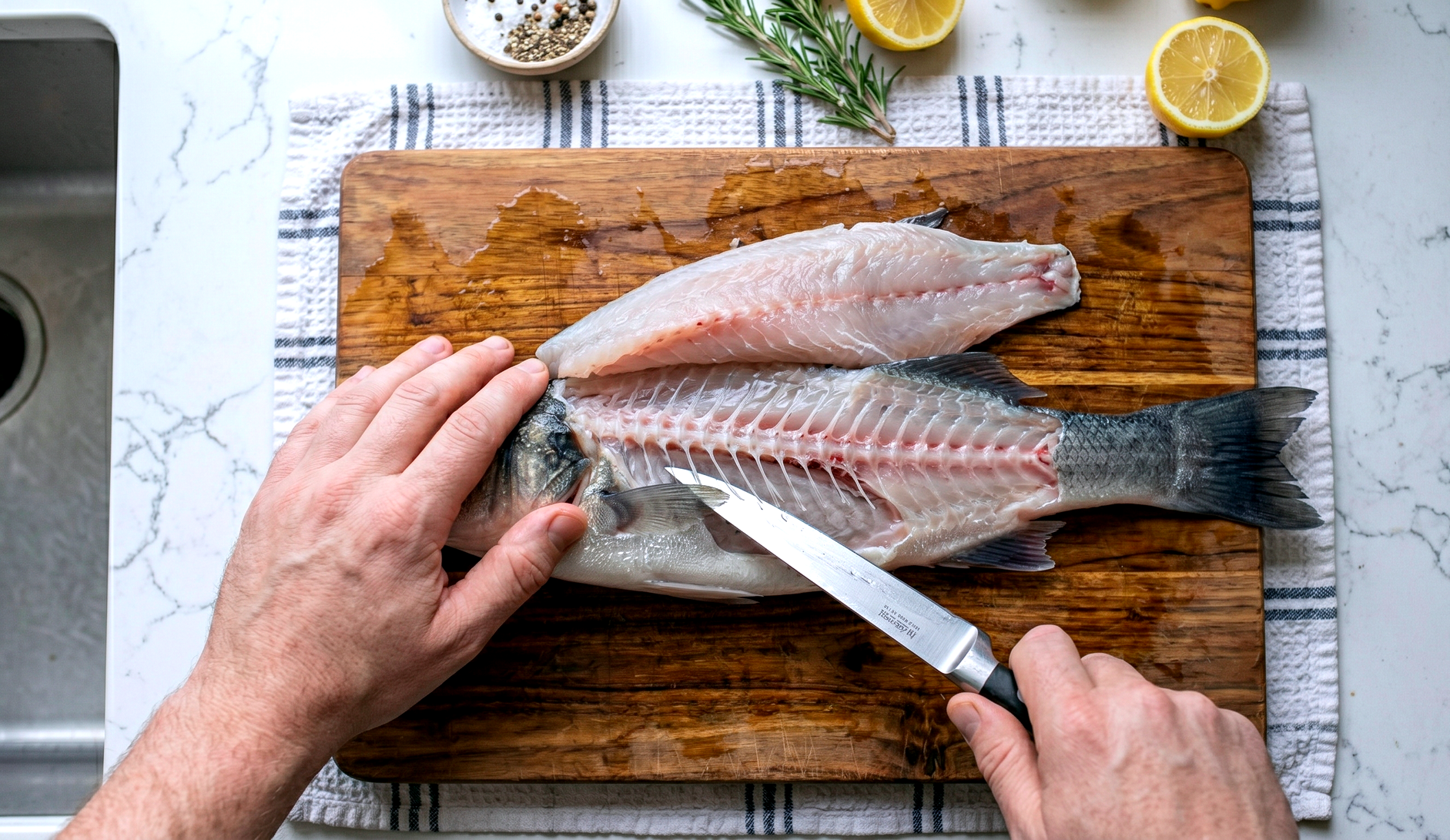
Turn the knife flat so the blade is parallel to the cutting board, pointing toward the tail. With your non-dominant hand pressing gently on the top of the fish, use smooth, sweeping motions to glide the knife over the backbone. You should hear a faint "clicking" sound as the blade rides over the rib bones. Cut all the way through to the tail, separating the first fillet. Flip the fish over and repeat on the other side.
Step 3: Pin Bones and Trimming
Run your fingers lightly down the center of your fresh fillet. You will feel a row of small, needle-like pin bones. Using your tweezers, grasp the tip of each bone and pull it out in the direction the bone is pointing (usually angled slightly toward the head). Trim away any excess belly fat to leave a pristine, wholesome cut of fish.
How to Fillet a Flat Fish (Flounder, Halibut, Sole)
Flat fish swim parallel to the sea floor and have both eyes on one side of their head. Unlike round fish, their skeletal structure allows you to harvest four distinct fillets (two from the top, two from the bottom).
Step 1: Scoring the Center Line
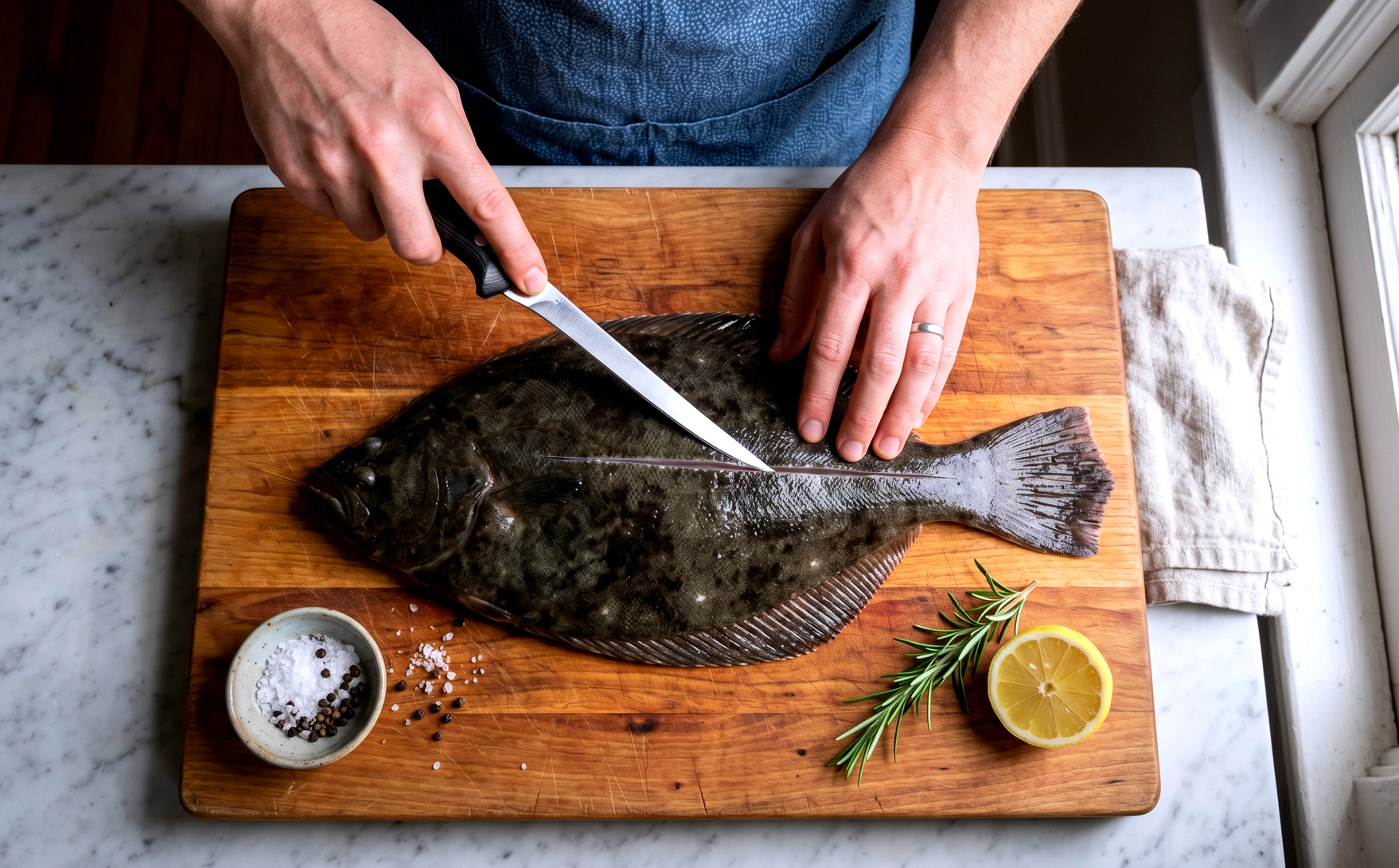
Place the flat fish on your board with the dark side facing up. You will notice a visible line running straight down the middle of the fish from head to tail (the lateral line). Using the tip of your fillet knife, make a firm, straight cut directly down this line until you hit the central spine.
Step 2: Carving the Four Quarter Fillets
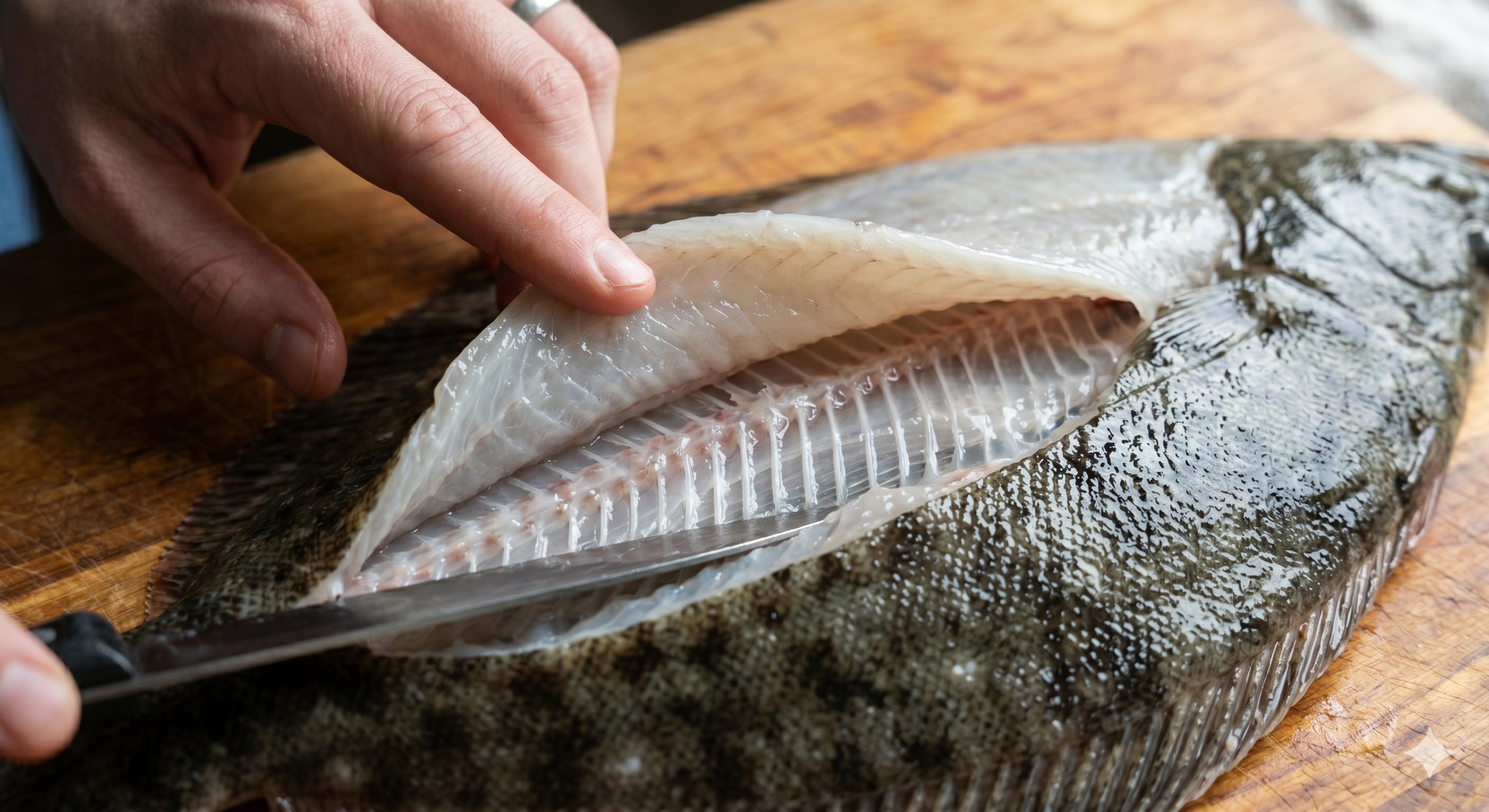
Starting from the center cut you just made, angle your knife blade slightly and slide it between the flesh and the rib bones, working your way outward toward the fins. Use short, precise strokes. The flesh should peel away beautifully. Repeat this for the other side of the center line, giving you two fillets.
Flip the fish over to the white belly side and repeat the exact same process (center cut, then work outward) to yield your final two fillets.
Take Home
Filleting fish at home is a great way to maximize the value of fresh seafood. By taking control of this part of food preparation you've ensured less handling and processing down the supply chain, maintaining freshness, and improving the health benefits of your fish. Most importantly, there is a profound sense of gratification that comes from honoring the whole ingredient when you've reduced waste and everyone enjoys the results of your elevated cooking techniques.
Ready to put your new knife skills to the test? Head over to FreshAIG.com to find the freshest seafood nearby and explore our growing library of recipes, handling, and preparation guides tailored for your kitchen. We would love to see your progress—snap a picture of your perfectly filleted catch and tag us on social media so the FreshAIG community can celebrate your journey!
People Also Ask
Do you wash fish before filleting? It is generally recommended to quickly rinse the outside of a whole fish under cold water to remove any loose scales or slime, then pat it completely dry with paper towels before cutting. Never wash cut fillets under running water, as it degrades the flesh and ruins the flavor.
Should I scale the fish before filleting? If you plan on cooking and eating the skin (which is recommended for its highly nutritious omega-3s!), you must scale the fish before filleting. If you plan to skin the fillets entirely, scaling is not necessary.
What do I do with the leftover fish carcass? Don't throw it away! The head and bones are pure culinary value. Simmer them with some celery, onions, carrots, and a bay leaf for 30-40 minutes to create a rich, delicious seafood stock.
References
- The Culinary Institute of America: Guide to Seafood Butchery
- Food and Agriculture Organization (FAO) - Fish handling and processing