Guide to Cleaning and Prepping Fresh Shrimp Like a Pro
Learn the simple steps to properly peel, devein, and butterfly fresh shrimp sourced from local seafood merchants for the freshest flavor and the best value.
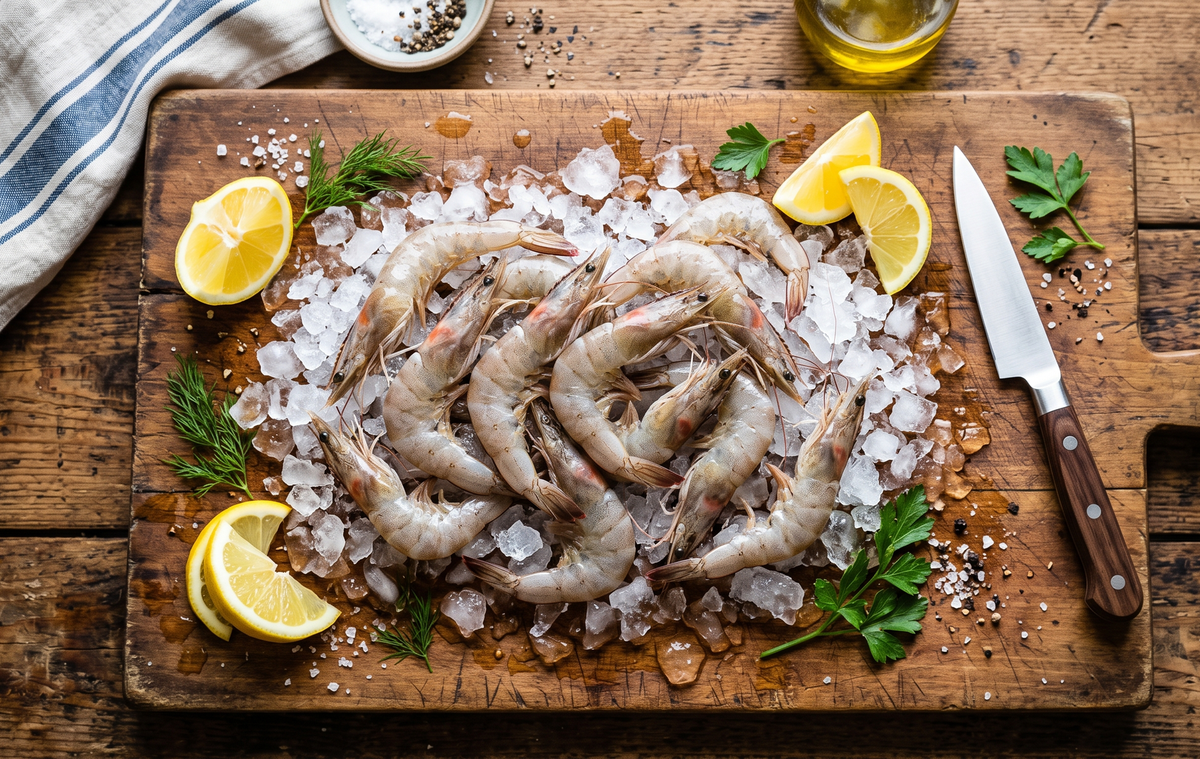
FreshAIG Quick Facts
- Deveining shrimp is for taste and texture: Removing the digestive tract eliminates grittiness and ensures a pure, wholesome flavor.
- Prep dictates the dish: Leaving the tail on adds elegance to shrimp cocktails, while butterflying increases surface area for maximum flavor absorption in marinades and frying.
- Fresh beats frozen: Sourcing fresh shrimp directly from local markets avoids the chemical preservatives often used in frozen, imported shrimp.
- Buying direct maximizes value: Purchasing fresh shrimp straight from local shrimpers ensures peak freshness and keeps your dollars in the local economy.
The Solution for Superior Seafood: Start Fresh and Local
Many home cooks settle for pre-packaged, frozen shrimp simply because prepping fresh seafood feels intimidating. But settling for pre-processed shrimp often means compromising on texture, flavor, and overall quality. The solution for the best possible seafood experience is to start with pristine, fresh shrimp sourced straight from local waters.
When you learn the simple process of cleaning your own shrimp, you unlock a completely new level of flavor. You get the plump, fresh texture and sweet, briny taste that pre-peeled, mass-market shrimp simply cannot deliver.
Step-by-Step: How to Clean and Prep Your Shrimp
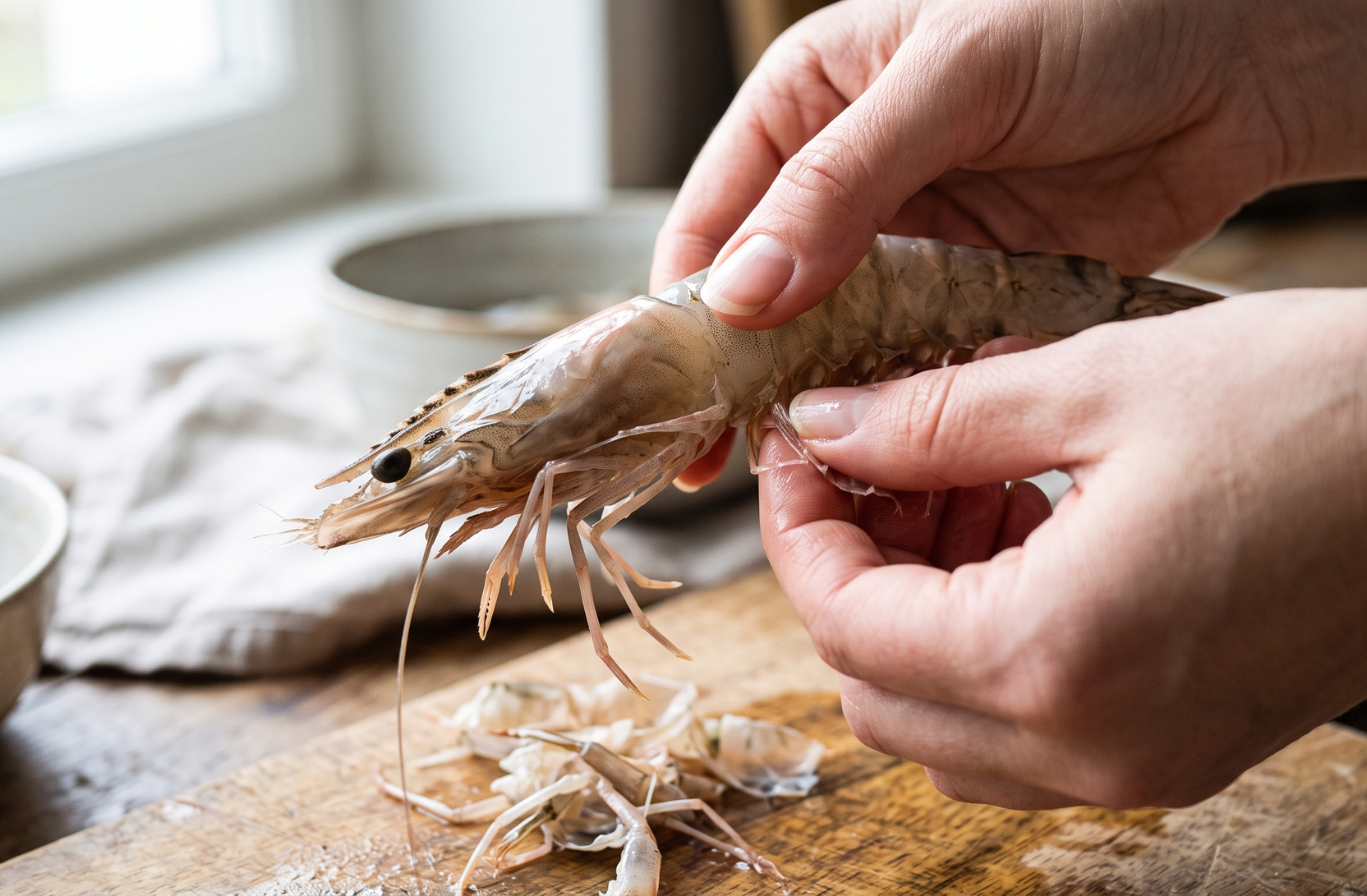
Cleaning your own shrimp is highly gratifying. It takes only a few minutes to master, and it allows you to customize your seafood exactly how your family or your recipe demands. Here is how to achieve shrimp the way seafood lovers prefer.
The Classic Peel: Tail-On vs. Tail-Off
The first step is removing the shell. Hold the shrimp by the tail and pull off the legs; they will detach easily. Next, use your thumbs to peel the shell open from the belly, pulling it back over the rounded back of the shrimp.
- Tail-Off: If you are tossing your shrimp into a pasta, a stir-fry, or a gumbo, pinch the tail where it meets the meat and gently pull. The rest of the shell will slide right off. This makes the dish easier to eat.
- Tail-On: For visually stunning presentations like classic shrimp cocktail, grilled skewers, or crispy fried shrimp, leave the last segment of the shell and the tail intact. It gives your guests a convenient "handle" and creates a striking, restaurant-quality appearance.
Deveining: For a Cleaner, Better-Tasting Bite
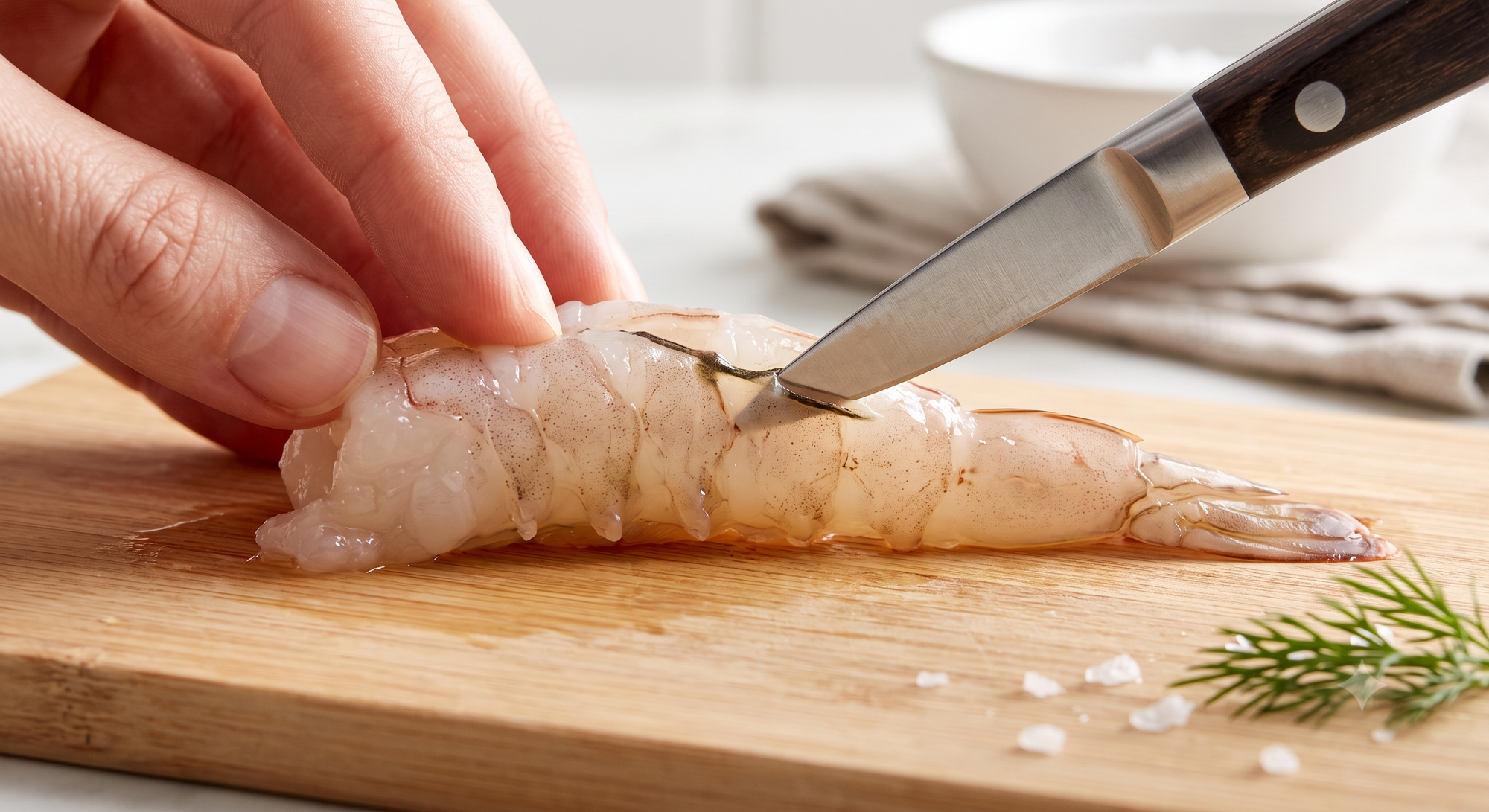
Once peeled, you’ll notice a dark line running down the back of the shrimp. This is the digestive tract. While safe to eat in smaller shrimp, removing it is recommended for hygiene, and it ensures your dish tastes pure.
Take a small, sharp paring knife and make a shallow slit down the back of the shrimp from the head end to the tail. Use the tip of your knife or a paper towel to lift the dark vein out and wipe it away. A quick rinse under cold water, and your shrimp are beautifully clean and ready for the pan.
Butterflying: The Secret to Crispy, Flavorful Shrimp
If you want to elevate your cooking, butterflying is the way to go. This technique opens the shrimp up, making it look larger and creating more surface area. More surface area means more room for your marinades, garlic butter, or breading to sink in and cling to!
To butterfly, follow the exact same steps for deveining, but cut a little deeper into the back of the shrimp—stopping just before you cut all the way through. Gently press the shrimp open so it lies flat. Butterflied shrimp cook rapidly and evenly, making them the absolute best choice for a quick broil or a crispy pan-fry.
Frequently Asked Questions About Prepping Fresh Shrimp
Should I wash fresh shrimp before cooking? Yes. After you peel and devein your shrimp, place them in a colander and give them a quick, gentle rinse under cold running water to remove any lingering shell fragments or debris. Pat them completely dry with paper towels before cooking to ensure they sear beautifully rather than steaming.
Is it safe to eat the vein in shrimp? While it is not inherently harmful to consume the vein, it can contain sand and grit, which affects the texture of your meal. Removing it provides a cleaner, sweeter flavor and a more enjoyable experience.
What is the easiest way to peel shrimp quickly? For speed, invest in a specialized shrimp peeling tool (sometimes called a deveiner). You insert the curved tip of the tool under the shell at the head end and push it down toward the tail. In one motion, it splits the shell and pulls the vein out simultaneously.
Why You Win With Fresh and Local
When you buy your shrimp from an independent fish market or directly from fishermen at the dock or your local farmers market, you're making a choice that benefits your health, your wallet, and your community.
First, the freshness is unparalleled. Seafood sold directly to consumers hasn't been sitting on a truck for days or frozen in a block of ice with sodium tripolyphosphate (a chemical often used to make seafood retain water weight). You are paying for pure, wholesome seafood—maximizing your value without paying for added processing and excess water. Furthermore, buying locally connects you directly to the source, giving you peace of mind about how and where your food was harvested, honoring a tradition of honest, hard-working family businesses.
Take Home
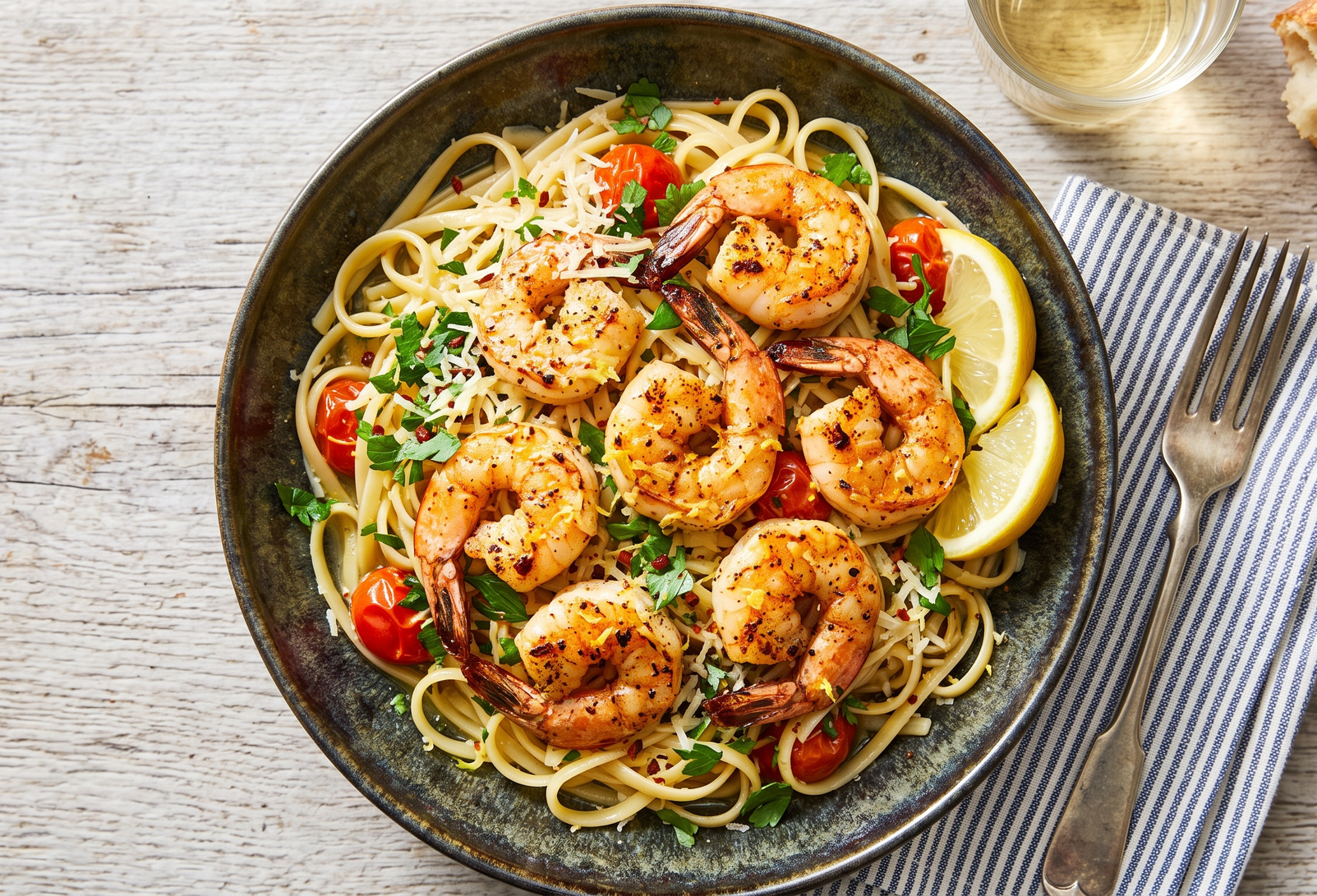
Starting with fresh, locally sourced shrimp and prepping it yourself is the best way to ensure unmatched freshness on your dinner table. Whether you are butterflying jumbo shrimp for an adventurous weekend grill, or prepping tail-off bites for a wholesome and healthy family pasta night, cleaning shrimp provides the gratification and incredible value of a chef-quality meal made right at home.
Ready to elevate your next seafood night? Visit FreshAIG.com for more expert prep tips, and be sure to tag us on your favorite social media apps with #FreshAIG and your freshly prepped shrimp creations!
References
- Technomic Inc. (2023). Seafood Consumer Trend Report.
- Alaska Seafood Marketing Institute (ASMI). Consumer Buying Preferences and Behaviors.
- FDA.gov. Selecting and Serving Fresh and Frozen Seafood Safely.