How to Skin a Fish Fillet Effortlessly
Don't let a slippery fish fillet intimidate you! Use the foolproof "pull and glide" method to perfectly skin a fish fillet in seconds. Maximize freshness, save money, and elevate your home cooking with this essential culinary skill from FreshAIG.
FreshAIG Quick Facts
- The Technique: Don't push the knife; pull the skin while holding the blade still.
- The Angle: Keep your knife at a shallow 15 to 20-degree angle against the cutting board.
- The Grip: Use a paper towel to get a firm, slip-free grip on the tail end of the fish skin.
- The Benefit: Buying skin-on whole fillets maximizes freshness, saves money, and connects you to the wholesomeness of your food.
There is nothing quite like the gratification of preparing a perfectly fresh piece of fish. But for many home cooks, the idea of removing the skin from a delicate fillet can feel intimidating. Whether you're working with a beautiful piece of salmon, a fresh catch of tilapia, or a delicate white fish, mastering this basic butchery skill is your gateway to fresher, more wholesome meals.
Instead of paying a premium for pre-skinned fish or missing out on the absolute freshest cuts at the market, you can handle it yourself in under a minute. Here is the foolproof method to skinning a fish fillet.
The Solution: The "Pull and Glide" Technique
The biggest mistake most people make when trying to skin a fish is treating it like slicing bread. They try to saw the knife through the flesh. The actual secret is entirely different: you don't push the knife; you pull the skin.
The Essential Tools
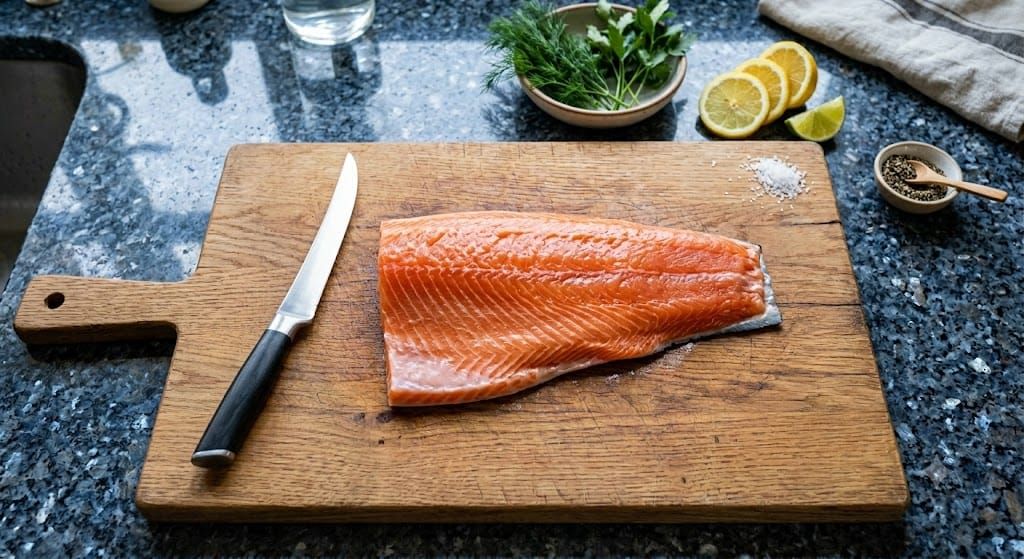
- A flexible fillet knife: A sharp, thin, and flexible blade allows you to press flat against the cutting board without cutting into the meat.
- A clean, flat cutting board: Ensure it has plenty of space.
- A dry paper towel: This is your secret weapon for a secure grip.
Step-by-Step Method
- Position the Fillet: Lay your fish fillet flat on the cutting board with the skin side facing down. Orient the fillet so the narrowest part (the tail end) is pointing toward your non-dominant hand.
- Make the Starter Cut: About half an inch from the tail end, cut down through the flesh just until your knife touches the skin. Do not cut through the skin!
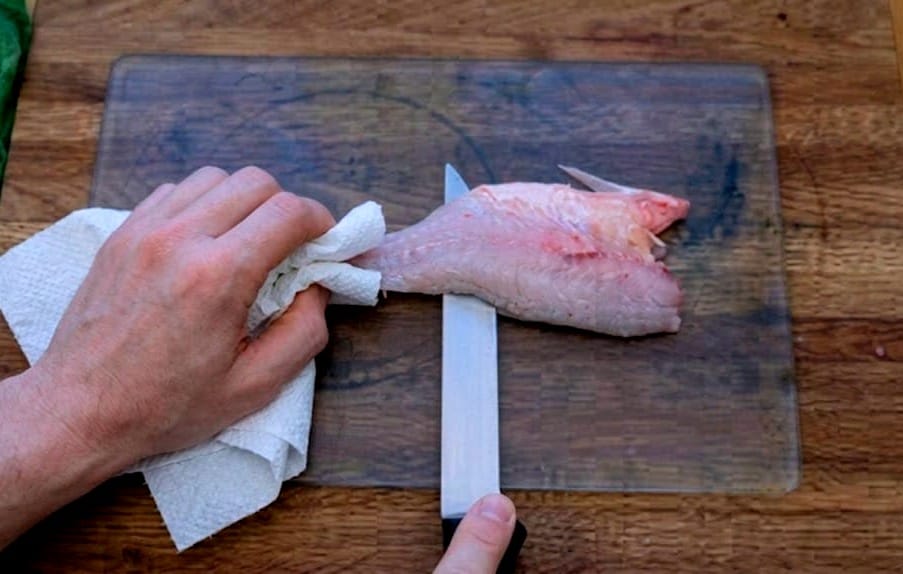
- Secure the Grip: Put down your knife for a second. Pinch that half-inch piece of skin you just exposed. Fish skin is notoriously slippery, so grab a dry paper towel and use it to pinch the skin firmly.
- Angle and Glide: Pick up your knife. Insert the blade into the cut you made, angling it slightly downward toward the cutting board (about a 15-degree angle).
- Pull and Wiggle: Here is the gratifying moment. Keep the hand holding the knife completely still. Using the hand gripping the paper towel, pull the skin firmly toward you, wiggling it slightly from side to side. The fish will slide right over the stationary, angled blade, leaving you with a perfectly pristine, skinless fillet.
Why Skin Your Own Fish?
Taking control of your ingredients does more than just save a step at the fish counter; it aligns perfectly with a lifestyle that values wholesome food and conscious choices.
Wholesome Health Benefits
When you buy fish whole or with the skin on, you are getting a product that has been subjected to less processing. This means the fish retains its peak freshness and delicate omega-3 oils right up until the moment you cook it. It’s a pure, unadulterated ingredient that supports a health-conscious diet, giving you complete oversight over what goes onto your plate.
More Value
Let's talk about value. Pre-skinned, perfectly portioned fish fillets always carry a markup. By purchasing skin-on fillets (or even whole fish, if you are feeling adventurous!), you stretch your grocery budget further without compromising quality. Furthermore, the tactile process of preparing your own food—honing a classic culinary skill—provides an immense sense of gratification. You aren't just heating up dinner; you are thoughtfully crafting a fresh wholesome meal from scratch.

Frequently Asked Questions
Is it safe to eat fish skin? Yes! In fact, fish skin is highly nutritious and packed with omega-3 fatty acids. If you choose to leave it on, especially for fish like salmon or branzino, pan-searing it until crispy is highly recommended. However, for certain recipes like ceviche, fish tacos, or delicate poaching, removing the skin using the method above is best.
What if I accidentally cut through the skin while skinning? Don't panic! This happens to everyone. If your knife accidentally slices through the skin, simply stop. Move an inch further down the fillet, make a new starter cut down to the skin, and begin the "pull and glide" process again. You can trim away any small leftover pieces of skin at the end.
Do I absolutely need a specific fillet knife? While a flexible fillet knife makes the job significantly easier because it can bend against the cutting board, you can use a standard, sharp chef's knife in a pinch. Just be incredibly mindful of your angle so you don't lose too much healthy flesh in the process.
Can I use the leftover fish skin for anything? Absolutely. If you want to maximize value and minimize waste, you can fry or bake the leftover skin into crispy "fish chips" to use as a garnish, or toss the skins into a pot with aromatic vegetables to create a light, wholesome seafood stock.
Take Home
Mastering the art of skinning a fish fillet is a simple yet incredibly empowering skill. By using the "pull and glide" method, you maximize the value of your grocery budget, ensure the wholesome nutrition of minimally processed ingredients, and experience the gratification of preparing delicious seafood for friends and family, right in your own kitchen. There is pure enjoyment to be found in handling fresh, vibrant ingredients.
Ready to elevate your home cooking even further? Visit us at FreshAIG.com for more expert tips, wholesome recipes, and fresh seafood nearby. Don't forget to share your perfectly prepped seafood dishes with us on social media using #FreshAIG—we’d love to see your culinary seafood journey!
References
- Culinary Institute of America. (2011). The Professional Chef (9th ed.). John Wiley & Sons.
- Peterson, J. (2007). Fish & Shellfish: The Cook's Indispensable Companion. William Morrow Cookbooks.